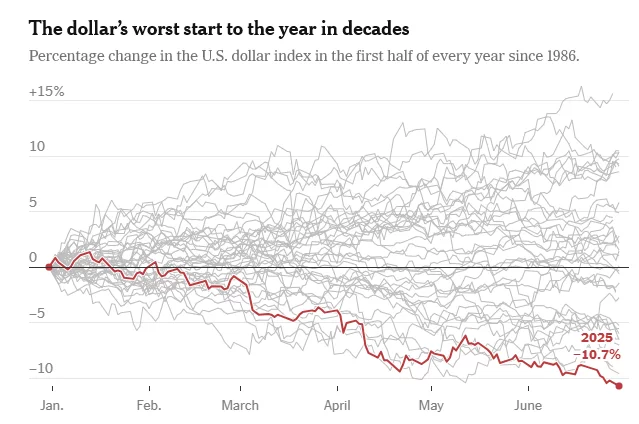
The recent slide of the U.S. dollar is stirring waves far beyond the currency markets — and the American metal industry is feeling the ripple effects. While a weaker dollar may benefit exporters by making U.S. goods more competitive abroad, the situation is far more complex. Inflationary pressures, evolving tariff policies, and compliance demands are creating a tightrope walk for manufacturers, traders, and investors.
What the Weakening Dollar Signals
At face value, a depreciating dollar typically boosts U.S. exports by making them more affordable for foreign buyers. This should be a tailwind for American metal producers shipping steel, aluminum, and other raw materials overseas. However, in today’s volatile economic climate, the dollar’s fall is being read as a warning signal.
As Steve Englander of Standard Chartered aptly puts it, “Having a weak dollar or a strong dollar isn’t the issue. The issue is: What is it telling you about how the world sees your policies?”
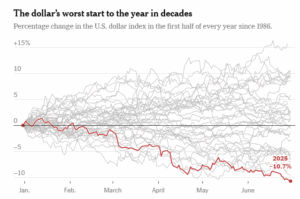
Initially buoyed by pro-growth sentiment around the Trump administration’s economic policies, the dollar peaked in early 2025. But the optimism was short-lived. Concerns over high interest rates, stubborn inflation, and aggressive tariff rhetoric spooked investors. The result? A slide in confidence toward U.S. assets, including metals.
Metal Sector in Flux: Between Demand and Disruption
For domestic producers, the weakening dollar presents both opportunities and challenges:
Export Boost: A cheaper dollar could increase global demand for U.S.-made steel and aluminum, especially in emerging markets.
Costlier Imports: On the flip side, metal manufacturers reliant on imported raw materials or machinery are facing higher input costs.
Tariff Uncertainty: The looming threat of new tariffs disrupts predictable trade flows, further complicating sourcing and pricing strategies.
What should be a straightforward export advantage is now a delicate balancing act. Tariff threats and global trade instability undermine long-term planning, with buyers and suppliers alike becoming more cautious.
The Hidden Hero: Compliance
Amid these uncertainties, regulatory compliance has emerged as a silent stabilizer for the U.S. metal industry.
Exporters must now double down on transparent documentation — including Material Test Reports (MTRs), Certificates of Origin, and Certificates of Analysis (CoAs) — to meet international trade standards and avoid costly delays or rejections.
Compliance plays three critical roles:
Risk Mitigation: In a climate of shifting tariffs and trade scrutiny, compliant documentation helps de-risk international shipments.
Trust Building: Global buyers demand traceability and accountability — accurate paperwork earns their confidence.
Automation Advantage: Companies that automate compliance workflows are staying leaner and more agile, turning what was once a back-office function into a strategic differentiator.
Conclusion: Strengthening Through Smart Strategy
The weakening dollar, driven by concerns over inflation, tariffs, and investor confidence, is a wake-up call for U.S. manufacturers — especially those in the metals sector. In this uncertain environment, compliance isn’t just a legal obligation — it’s a competitive weapon.
By embracing automated documentation systems and staying ahead of regulatory shifts, American metal producers can transform short-term currency volatility into long-term trade resilience.