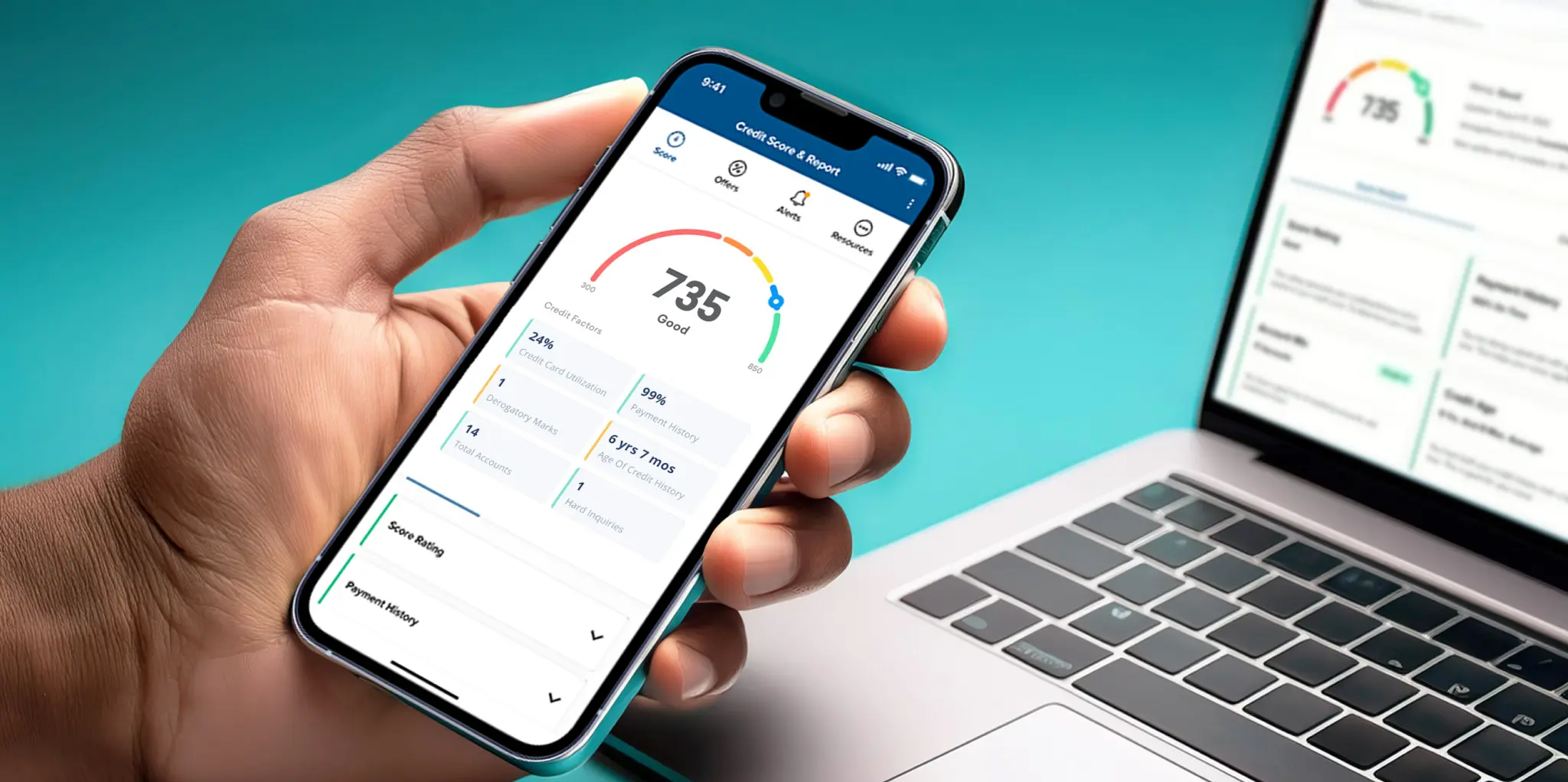
For B2B businesses, extending credit is a powerful tool to build customer loyalty and boost sales. But it also comes with risks — delayed payments, bad debts, and cash flow uncertainty. Manual credit checks are no longer fast or reliable enough in today’s high-velocity business environment. That’s why automating customer credit checks is becoming essential to grow securely and smartly.
1. The Challenge of Manual Credit Assessment
Traditionally, assessing a customer’s creditworthiness involves pulling financial reports, contacting trade references, setting credit limits based on gut feel, and reviewing aging reports manually. This process is time-consuming, inconsistent, and prone to human error — leading to late interventions and revenue losses.
2. Automating Credit Scoring for Smarter Decisions
Modern automation tools can assess credit risk in real-time by integrating multiple data sources — such as credit bureau reports, financial statements, payment histories, and even behavioral insights. AI/ML models evaluate these parameters to assign a dynamic credit score to each customer. This enables consistent, data-driven decision-making without manual intervention.
Use Case:
A global distributor implemented AI-powered credit scoring for new customers. The onboarding time dropped by 50%, and the company saw a 30% reduction in bad debt write-offs within a year.
3. Setting and Managing Dynamic Credit Limits
With automation, businesses can assign credit limits that evolve with customer behavior. For instance, if a customer consistently pays early, their limit can be automatically increased. If delays are detected, the system can restrict further sales or flag the account for review. This dynamic limit management balances growth with risk control.
4. Proactive Alerts for Payment Delays
Automated systems monitor accounts receivable in real-time and generate alerts when payments are overdue or when customers exhibit early signs of financial stress. These alerts help sales and finance teams intervene before issues escalate, enabling faster collections or revised payment terms.
Use Case:
A mid-size manufacturer used RPA and alert systems to monitor invoices and customer payment cycles. Early alerts allowed them to renegotiate terms with at-risk accounts and reduce DSO (Days Sales Outstanding) by 12%.
5. The Strategic Payoff: Growth Without Guesswork
Automating credit checks isn’t just about protecting receivables. It empowers your sales teams to pursue high-potential accounts confidently, reduces the burden on finance teams, and allows your business to scale without increasing exposure to credit risk. With seamless ERP and CRM integration, credit data becomes part of every decision-making process.
Risk-free growth is possible when finance and sales teams are equipped with intelligent tools. Automating customer credit checks — from scoring and limits to alerts — ensures your business can grow rapidly, responsibly, and resiliently. As economic conditions evolve, automation becomes your frontline defense against uncertainty.